Named ingredients
Starting point
Recipes
Home cooking is the one place you can see every ingredient. This hub is about pantry logic and original plates — not a list of supermarket brands treated as certified.
At a glance
Named ingredients
Starting point
Not required for fruit
Certificates
Leave it out
Alcohol
Do not use
Pork
A home kitchen is the most honest halal environment you will ever have, because you can see the packet. A restaurant cannot give you that, and a website that pretends to have tasted every factory cannot give you that either.
This hub does not publish a “certified products” column. It publishes how to think while you shop and cook in Australia, plus original recipes that use ordinary produce.
If you want a meal that fits a commonly understood halal diet:
That is the whole method. The rest is cooking.
Always simple. Fresh fruit and vegetables, dried legumes, rice, wheat flour, oats, plain yoghurt, eggs, honey, most herbs and spices in whole or ground form with a single-ingredient list.
Ask a question. Gelatin, some enzymes in cheese, some “natural flavours”, emulsifiers described only as a number, and anything that lists “alcohol” or “wine” in the ingredients. The gelatin essay is the longer version.
Do not guess into existence. If a jar does not tell you the source of an animal-derived additive, the supplier’s name and address on the label — which the Food Standards Code does require — is the official next step, as FSANZ notes when a value claim is missing.
A banana does not need a religious mark. That sentence is as true now as it was on the old site; the difference is that we will not then slide into a table of chocolate bars.
These are ours. They are not copied from the archive. Quantities are household, not restaurant costing.
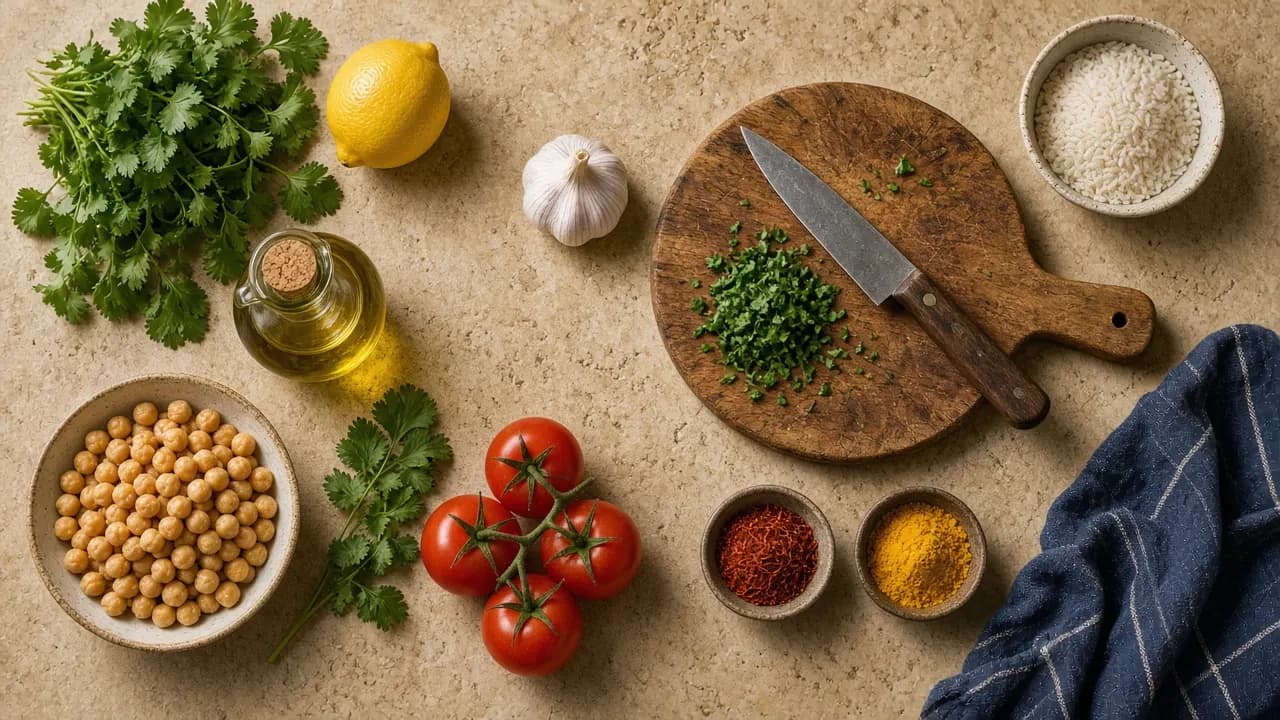
Warm olive oil with garlic and a pinch of cumin. Add cooked chickpeas, chopped tomato, and enough water to make a sauce. Finish with lemon, parsley and a spoon of yoghurt if you use it. Serve with rice. Every ingredient is visible. If you add stock powder, read the packet for hidden meat or alcohol flavouring.
Toss pumpkin, cauliflower and red onion in oil, salt and paprika. Roast until the edges brown. Stir tahini with lemon and cold water until it runs. This is a full meal with bread, or a side beside a meat you have already decided about.
Rolled oats, milk or a fortified plant milk you have read, chopped dates, and a pinch of cinnamon. Eat it warm in the hour before a fast. It is not a medical prescription; it is a plate that does not rely on a café opening before dawn.
More Ramadan timing sits on the Ramadan page. More kitchen layout sits on setting up a home kitchen.
If you cook meat, the religious question is not “did I buy the red tray”. It is whether the animal is of a permitted type and whether it was slaughtered in the required way. The process essay — how halal meat is prepared — explains that without turning this site into a slaughterhouse manual.
For export red meat, the Australian Government describes a regulated program. For domestic retail packs, you are back to labels, supplier questions, and whatever arrangement the producer actually has. We will not invent a rule that every Australian mince tray is one or the other.
A household that avoids pork can decide to keep a separate board and knife for that food if it is present at all, or not to keep it in the house. A household that avoids alcohol can decide that a leftover wine marinade is not “cooked off” into a family pot. Those are practice choices. Australian food law still requires you not to mislead other people if you later sell the food; it does not inspect your Tuesday chopping board.
If you cater for others — a school stall, a workplace potluck — say what you know and no more. “I cooked this from vegetables and olive oil in my kitchen” is a true sentence. “This is certified” is a different sentence, and this site will not help you blur them.
Cook from this page, then read the non-meat principles article if you want the long form of the pantry. When you leave the house, switch to the dining-out guide. The method stays the same: name the ingredient, ask the source, do not outsource the answer to a stranger’s list on the internet.
No. Home cooking is about the ingredients and how you handle them. Fruit, vegetables, grains, eggs and many dairy foods are commonly treated as permissible when they are free of forbidden additions.
The usual exclusions in Islamic dietary discussion are pork and its derivatives, alcohol, and meat that has not been slaughtered in the required way. Some additives need a source question — see the gelatin essay.
No. We do not republish named people’s words from the archive, and we do not invent celebrity attributions.
The essays below stay on method. If you are feeding people through Ramadan hours, pair this hub with the Ramadan guide.