Usually simple
Fruit and vegetables
Heritage path
The old title promised a list of items. A list of brands would go stale and would read as certification. This rewrite keeps the path and replaces the list with principles you can reuse in any aisle.
At a glance
Usually simple
Fruit and vegetables
Not published
Brand tables
Ask the source
Additives
Not what makes an apple
Certificates
Most plant foods do not become permissible because a logo landed on the crate. They are already in the ordinary category of foods Islamic dietary discussion treats as allowed, unless something else has been added. That is the answer the old title was reaching for, before it turned into a brand catalogue.
This path keeps the 2019 address. It does not keep a table of supermarket lines. Formulations change. A table would also violate the rule of this rebuild: we do not list businesses as certified.
If you are building a non-meat meal in Australia, start here:
Then stop and ask a question when the packet mentions gelatin, wine, “animal” unspecified, or a flavour that might be alcohol-based. The hidden-ingredients essay is the companion.
The archive site also kept /product_lists_halal.html and a folder of brand files. Those addresses now redirect to certification so they do not 404, and so they do not republish a 2011 claim that a named factory was in or out.
A list has three failure modes:
FSANZ already tells you what to do when a value claim is missing: contact the supplier, whose name and address must appear, or ask the retailer. That is slower than a blog table. It is also honest.
Produce. An apple, a carrot, a bag of spinach. If someone has dressed them in a wine glaze, you are no longer in this paragraph.
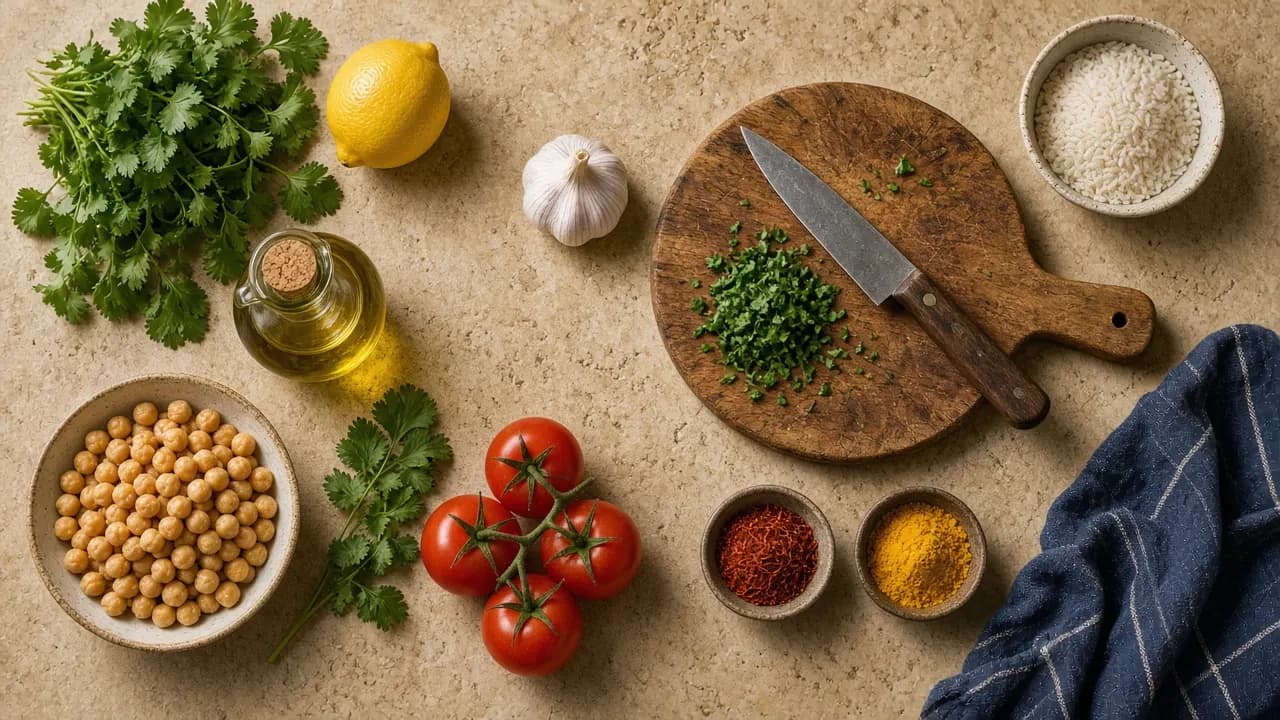
Dry goods. Rice, lentils, chickpeas, flour, oats. Watch mixed “savoury rice” with chicken flavour or wine.
Oils and fats. Plant oils are usually simple. Animal fats are a meat question in disguise.
Dairy. Plain milk is usually simple. Fruit yoghurts, marshmallow, cheesecake and some “set” desserts may use gelatin. Some cheeses use animal rennet. Ask; do not invent a nationwide percentage.
Eggs and plant proteins. Eggs are commonly accepted. Tofu and tempeh are plant foods with their own marinades to read.
Sweets. Sugar is simple. Gelatin lollies are not. Chocolate is a famous internet argument because of emulsifiers and fillings; the honest move is the ingredients list, not a 2011 sub-page named after a company.
Drinks. Water, milk, juice, tea, coffee. Alcohol is out. “0%” products can still be a religious discussion some households refuse; we will not pretend the civil label settles that.
A vegetarian restaurant can still fry in a shared oil or simmer in a beef stock. Non-meat is not a synonym for “no questions”. See the dining guide.
At home, the kitchen setup essay covers boards and pans. You do not need a certificate to wash a knife. You do need a habit.
It does not mean “certified vegan”. It does not mean “organic”. It does not mean “the Code requires a mark”. It does not mean this website tasted every jar in Woolworths.
If a packet does say “halal”, treat it as a voluntary claim. If it does not, you may still eat the food after you understand it. Those two sentences are the whole relationship between this page and labels.
The title promised a list. The useful thing was always a method. Keep the method; leave the brand roll-call in the archive.
Breakfast. Oats, milk you have read, fruit. Eggs if you eat them. Coffee or tea without an alcoholic syrup.
Lunch. Bread, olive oil, tomato, cucumber, chickpeas. Leftover tray vegetables.
Dinner. Rice, lentils, greens, lemon. A yoghurt bowl if dairy is simple that day.
A sweet. Fruit. If you want a processed sweet, you have chosen to read a packet.
That week is a proof that a “list of items” can be a list of foods rather than a list of brands. The old title can keep its URL. It cannot keep its directory.
A lunchbox is a non-meat problem with a time limit. Send foods you have already read. Do not send a cake and a note that says “certified” unless that is true. Teachers are not AIOs. Other parents are not your certifiers.
If a school asks what your child can eat, send ingredients, not theology. “No pork, no alcohol, please ask me about meat and gelatin” is a usable sentence. It is also the dining guide in miniature.
A mushroom pie may use lard pastry. A vegetable soup may use chicken stock. A “salad” may use bacon bits or a wine vinaigrette. The plant is not the problem. The addition is. This is why the dining questions exist even for people who never eat meat.
At home you can see the stock box. On a menu you must ask. The method does not change because the protein disappeared.
A vegan mark can be useful negative evidence — no meat, no dairy — and still say nothing about alcohol. A religious mark can say something about slaughter and still say nothing about nutrition. Do not treat the marks as interchangeable. Read the words that are printed, then stop.
A single-name spice — cumin, coriander, turmeric — is usually a simple plant. A blend can hide chicken salt, bacon flavour, or wine. Read blends. That is the whole spice paragraph.
Stock powders are blends in a louder costume. If you want depth without a meat question, use onion, garlic, tomato paste, lemon, and time. The recipes hub already cooks that way.
A cereal box is a label problem. It may be plants and sugar. It may include gelatin-shaped marshmallows or an animal vitamin coating. The front will talk about wellness. The back will talk about ingredients. Use the back. Nutrition claims, if present, are Standard 1.2.7 territory — a different door from a religious word.
Non-meat food is the easiest shared table. You can cook a pot that everyone recognises. You can let others add a meat they accept and keep it on a separate board. You do not need to win an argument about export law to eat lentils.
If they want to cook for you, send them this page and the dining questions. That is kinder than a speech at the door.
Because the archive did, and clean heritage paths stay. The body is now a method. If you came from a search for “list of halal non meat food items”, you now have a list of categories and a warning about brands. That is the honest result.
Primary pages only:
Those links appear in context on other pages. They are gathered here so a long sitting has a desk of sources. None of them ask this website to invent a statistic.
That this domain can “tick” a product. It cannot. That a 2011 snapshot is current. It is not. That a redirect to certification means a brand is approved. It means the opposite: we refused to republish the brand file.
If you hold those three misunderstandings at the door, the rest of the essay reads cleaner.
Imagine a reader who opened this exact address from an old bookmark. They expected the 2019 tone. They found a method instead. If they needed a number, they did not get one. If they needed a brand, they did not get one. If they needed a way to shop, cook, ask, or apply through official doors, they got the next internal link.
That reader is why the path was kept. The rewrite is for them, not for a search engine theatre of repeated adjectives.
Use the related links at the bottom of the layout. Use the department links in the body. Use the contact form only when a citation is wrong. Then go and make dinner, or send the departmental email, or ask the waiter the short question. The page has finished its work when you can do one of those things without coming back to refresh a list that we will never publish.
Categories, not SKUs. Plants, then additions. School lunch as a short brief. Vegan marks as a different sentence. You can close the tab.
Fresh fruit, vegetables, grains, legumes, eggs and many plain dairy foods are commonly treated as permissible when they are not mixed with alcohol or a forbidden additive.
Formulations change, and a list would look like a certificate. We explain how to read a packet instead.
If you can name the ingredient, you can cook it. The recipes hub is the practical half of this page.